
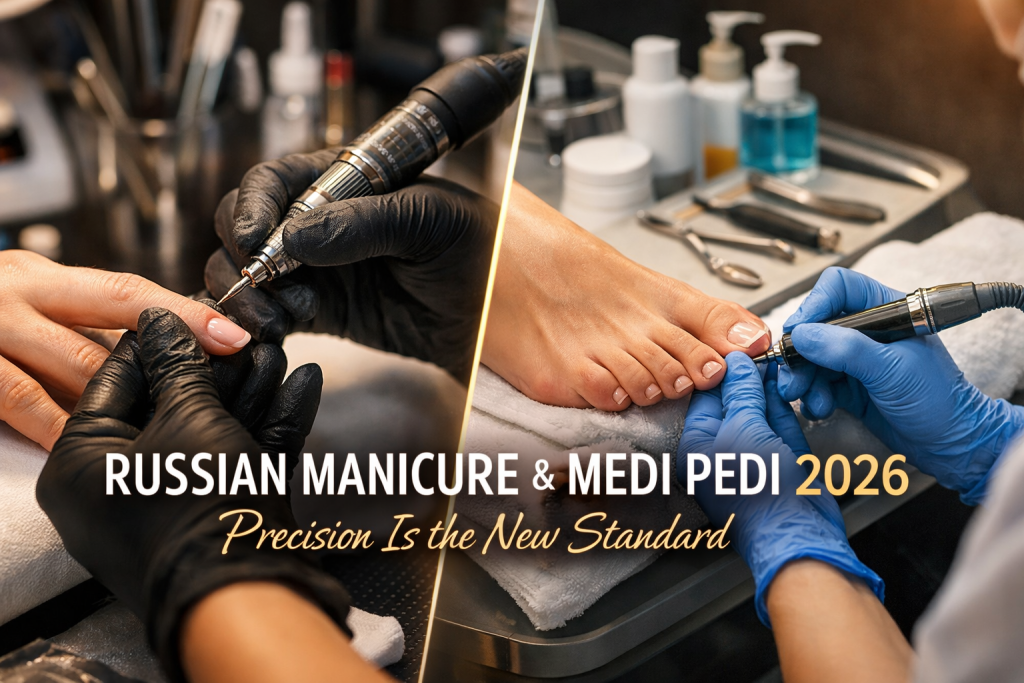
Why Precision Nail Care Is Becoming the New Normal in 2026
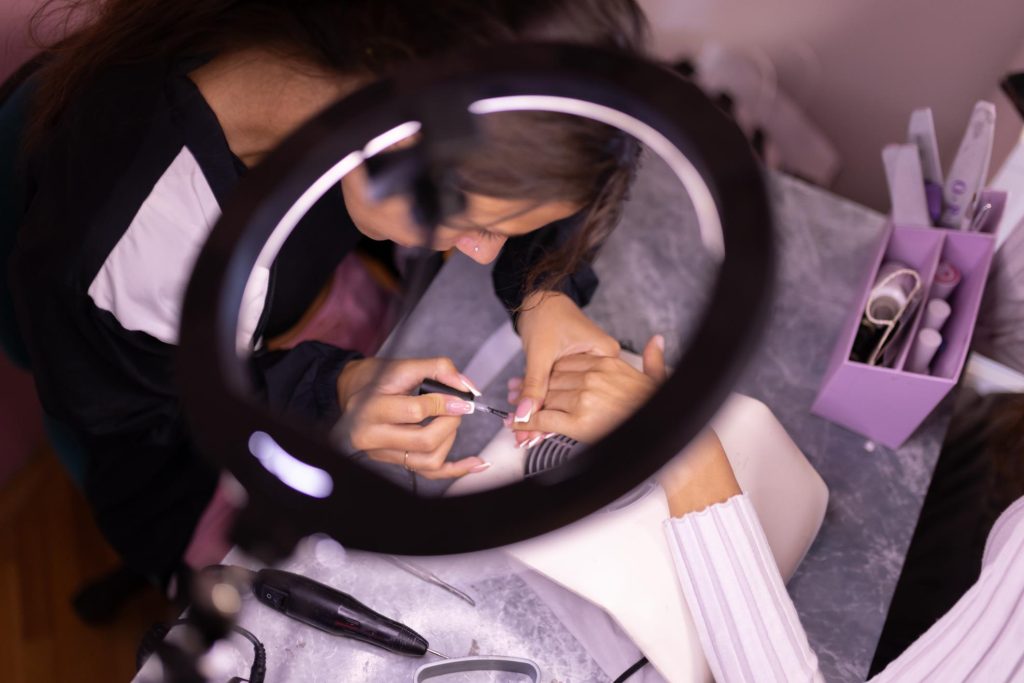
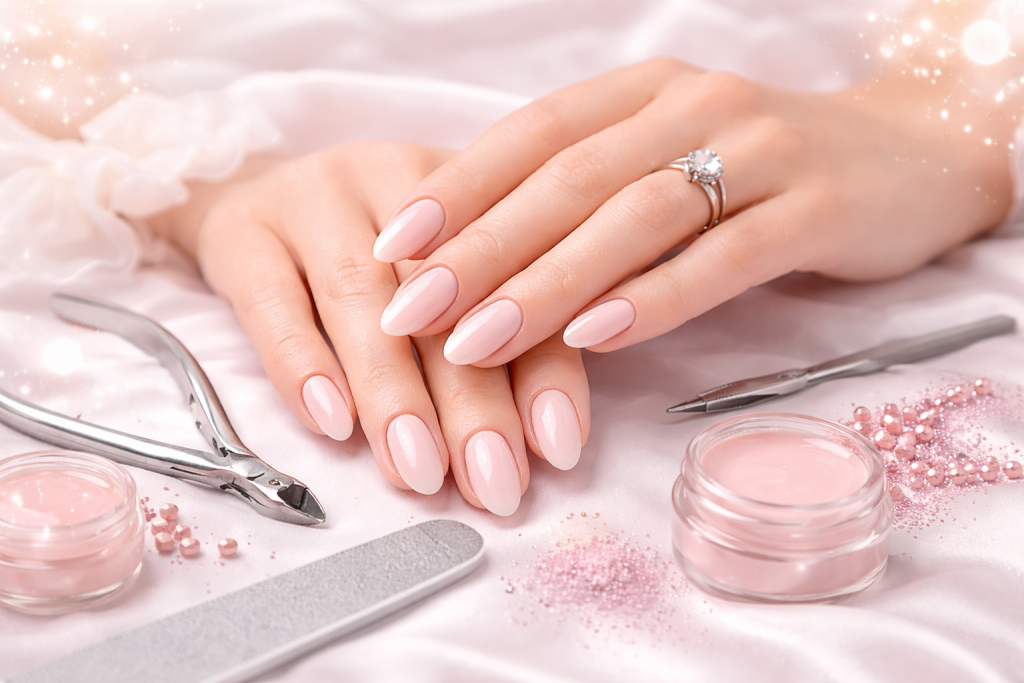
A few months ago, I watched a client look at her hands a little longer than usual after her appointment. The manicure wasn’t flashy. No glitter, no heavy nail art, nothing dramatic. Just clean, natural-looking nails with a soft gel finish that followed the cuticle line almost perfectly.
She turned her hands under the light and said quietly, “This looks like my nails, but better.”
That moment sums up what’s happening in the nail industry right now.
After more than twenty years working around nail salons across the United States, I’ve seen trends come and go. Long acrylic sets had their moment. Chrome powders and extreme shapes dominated social media for a while. But lately the conversation has shifted in a different direction.
Clients are asking about technique. They want healthier nails, longer-lasting manicures, and cleaner finishes. They pay attention to cuticle work, sanitation practices, and the quality of gel systems.
Two services have risen quickly in that environment: the Russian manicure and the medical pedicure, often called a Medi Pedi.
Neither service is brand new. European nail technicians have practiced these techniques for years. What’s changed is the demand. In 2026, many American salons are moving toward precision nail care because clients now recognize the difference.
And once someone experiences that level of detail, it’s difficult to go back to rushed services.
What a Russian Manicure Really Means Inside a Professional Salon
The first time someone watches a Russian manicure being performed, they usually notice something missing.
There’s no soaking bowl.
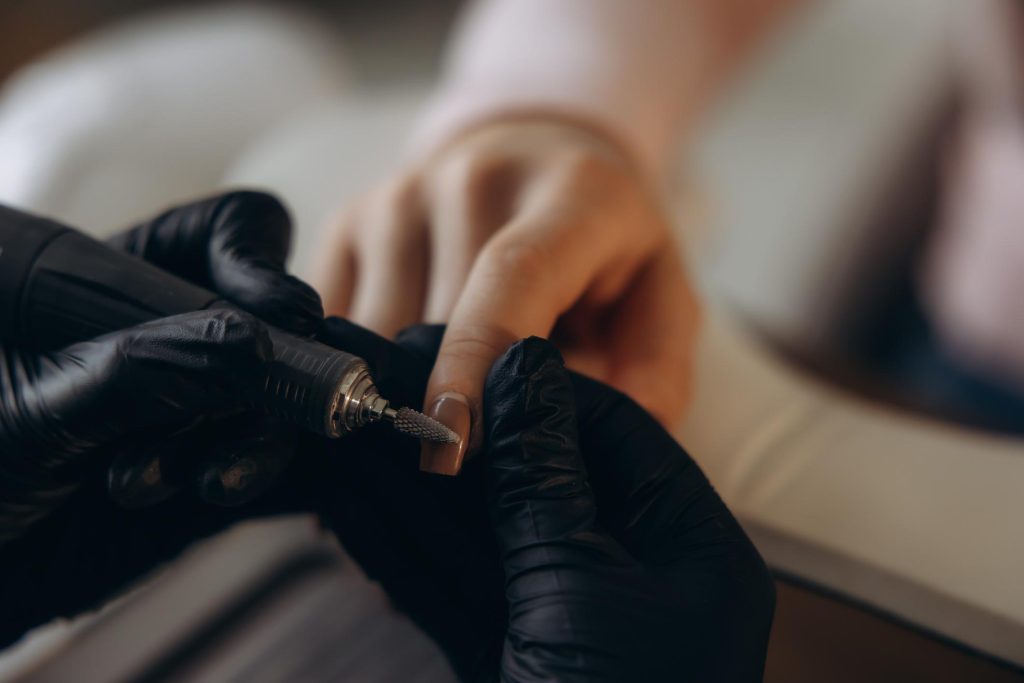
Traditional manicures often start with warm water to soften the cuticles. A Russian manicure skips that step entirely. The entire service is performed on dry nails using an electric nail file and specialized diamond drill bits designed for delicate cuticle work.
The goal is simple but very precise. The technician gently lifts and removes excess cuticle tissue so the nail plate is perfectly clean. That allows gel polish, builder gel, or BIAB systems to sit extremely close to the natural cuticle line without touching the skin.
The result is a manicure that looks incredibly neat and grows out more gracefully.
Clients often notice that their manicure still looks fresh two weeks later. The polish appears almost tucked under the cuticle, creating a seamless finish.
This technique requires skill and patience. Electric file work demands a steady hand, proper speed control, and a strong understanding of nail anatomy. When done correctly, it creates one of the cleanest manicure results available in a salon.
Many professionals also use Russian manicure preparation as the foundation for advanced gel systems such as builder gel overlays or structured gel manicures.
Understanding the Medi Pedi and Why Foot Health Matters More Than Ever
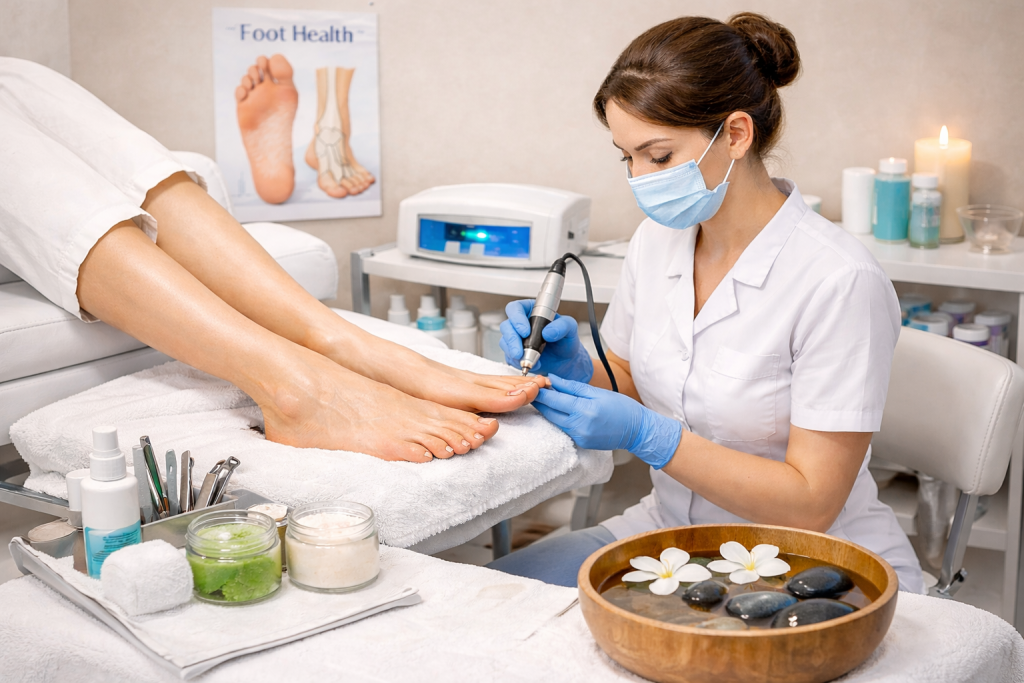
While Russian manicures focus on precision around the fingernails, Medi Pedis approach foot care from a completely different perspective.
A medical pedicure prioritizes foot health first and cosmetic appearance second.
In a traditional spa pedicure, the focus is relaxation. Warm water, exfoliating scrubs, massage creams, and a polished finish.
A Medi Pedi takes a more clinical approach. The service addresses conditions that many clients quietly struggle with for years.
These may include thick calluses, cracked heels, ingrown toenails, fungal nail buildup, and uneven nail growth.
Instead of aggressively shaving calluses, trained technicians gradually remove hardened skin layers while protecting healthy tissue underneath. Specialized tools allow precise work around problem areas.
Hygiene protocols are also stricter. Professional salons offering medical pedicures typically sterilize metal tools using autoclaves and follow medical level sanitation procedures.
For many clients, the difference becomes obvious after just one treatment. Feet feel lighter, nails look healthier, and recurring problems begin to improve.
Athletes, older clients, and anyone dealing with persistent foot issues often become loyal Medi Pedi clients because the service solves real problems rather than simply covering them up with polish.
How Russian Manicures Compare to Traditional Manicures
Many clients ask whether Russian manicures are truly different from the services they have received for years.
The techniques share the same goal of improving the appearance of the nails, but the preparation process changes the final result.
| Feature | Russian Manicure | Traditional Manicure |
|---|---|---|
| Cuticle preparation | Precision cleaning with electric file and drill bits | Cuticle pusher and trimming tools |
| Nail soaking | Dry technique | Warm water soak |
| Polish placement | Extremely close to cuticle | Slightly farther from cuticle line |
| Longevity | Often lasts three to four weeks | Typically one to two weeks |
| Skill requirement | Advanced training | Standard manicure training |
The key difference lies in the preparation stage. When the nail plate and cuticle area are perfectly clean, gel products bond more effectively and lifting becomes less common.
That preparation is what gives Russian manicures their reputation for precision.
The Difference Between a Medi Pedi and a Spa Pedicure
Pedicure services follow a similar pattern. Both treatments improve the appearance of the feet, but the intention behind the service changes the technique.
| Feature | Medi Pedi | Spa Pedicure |
|---|---|---|
| Primary focus | Foot health and nail condition | Relaxation and cosmetic care |
| Callus treatment | Gradual removal with specialized tools | Basic smoothing or filing |
| Nail care | Addresses ingrown nails and thick nail plates | Standard trimming and shaping |
| Sanitation protocols | Medical grade sterilization procedures | Standard salon sanitation |
| Ideal clients | Athletes, diabetic clients, chronic foot concerns | Clients seeking relaxation and polish |
Spa pedicures remain popular because they are enjoyable and relaxing. Medi Pedis serve a different purpose. They focus on maintaining healthy feet and preventing recurring nail problems.
Many clients eventually use both services depending on their needs.
Why Precision Nail Services Are Gaining Momentum in Modern Salons
Several changes in the beauty industry have pushed precision nail care into the spotlight.
Clients now expect manicures that last longer than a few days. Busy schedules make frequent salon visits difficult. A structured gel manicure that holds for three weeks offers practical value.
Nail health has also become part of the conversation. Clients understand the role of cuticles in protecting the nail matrix, and they pay attention to technicians who respect that anatomy.
Minimalist nail aesthetics play a role as well. Natural nail shapes such as almond, oval, and soft square have become extremely popular. Subtle colors like milky white, blush pink, and soft nude tones highlight clean cuticle work rather than covering it up.
Social media also accelerated awareness. Close up nail photography reveals every detail. When clients see perfectly executed manicures online, they start asking for similar results.
Hygiene awareness has increased too. Clients ask about tool sterilization, disposable files, and sanitation procedures before booking appointments.
Precision services align naturally with those expectations.
How Clients Can Find a Skilled Salon for These Services
Not every salon offering these services provides the same level of expertise.
Clients should take time to observe a few important factors before booking.
Look for licensed nail technicians who openly discuss advanced training in electric file techniques or medical pedicure education.
Pay attention to hygiene practices inside the salon. Clean workstations, sealed sterilization pouches, and organized tools usually reflect professional standards.
Client reviews often reveal useful details as well. People frequently mention technician skill, cleanliness, and service quality when writing about their experiences.
When these elements come together, clients are far more likely to receive a safe and professional service.
What Nail Technicians Must Master to Offer These Services
From a professional perspective, Russian manicures and Medi Pedis require significant training.
Electric file mastery alone takes time. Technicians must control drill speed, pressure, and angles while working near delicate skin. A mistake can cause discomfort or damage.
Understanding nail anatomy is equally important. Cuticles protect the nail matrix, which means aggressive cutting should always be avoided.
Medical pedicures demand additional knowledge. Technicians need to recognize signs of fungal infection, severe ingrown nails, and conditions that require referral to a podiatrist.
Experienced professionals treat these services as craftsmanship. They invest in quality equipment, sterilization systems, and continuing education.
That dedication often separates average nail services from truly exceptional ones.
Frequently Asked Questions About Russian Manicure and Medi Pedi
What is a Russian manicure and how is it different from a regular manicure?
A Russian manicure is an advanced dry manicure technique that focuses on detailed cuticle care and precise nail preparation. Instead of soaking the hands, a professional nail technician uses an electric nail file and diamond drill bits to gently clean the cuticle area and nail plate. This allows gel polish, builder gel, or BIAB to sit closer to the cuticle line, creating a cleaner and longer lasting gel manicure.
Is a Russian manicure safe for natural nails?
A Russian manicure is safe when performed by a trained and licensed nail technician who understands proper electric file techniques and nail anatomy. The goal is gentle exfoliation of excess cuticle tissue rather than aggressive cutting. In a professional nail salon that follows strict sanitation standards, this technique can actually improve nail health and help gel polish adhere better to the natural nail.
How long does a Russian manicure typically last?
Most Russian manicures last around three to four weeks depending on nail growth, lifestyle, and aftercare. Because the nail plate is thoroughly prepared and the cuticle area is precisely cleaned, gel polish or builder gel bonds more effectively. This reduces lifting and chipping, making Russian manicures one of the longest lasting professional manicure services available in many modern nail salons.
What is a Medi Pedi and what makes it different from a spa pedicure?
A Medi Pedi, short for medical pedicure, focuses on foot health rather than just cosmetic appearance. The treatment addresses common foot concerns such as thick calluses, cracked heels, nail thickening, and ingrown toenails. A trained nail technician uses specialized tools and hygienic procedures to improve the condition of the skin and toenails while maintaining proper nail salon sanitation standards.
Who should consider getting a Medi Pedi?
A Medi Pedi is especially helpful for clients experiencing foot discomfort, heavy callus buildup, or recurring toenail problems. Athletes, older adults, and individuals who spend long hours standing often benefit from regular medical pedicure treatments. It is also ideal for clients who want professional foot care that focuses on nail health, skin care, and hygiene rather than just relaxation.
Does a Russian manicure work well with builder gel or BIAB?
Yes, Russian manicure preparation is widely used as the foundation for builder gel, BIAB, and structured gel manicures. The precise cuticle cleaning creates a smooth nail surface, which helps gel products adhere more securely to the natural nail plate. Many experienced nail technicians prefer this technique because it improves manicure longevity and allows the gel to grow out more naturally.
How often should someone schedule a Medi Pedi?
Most clients benefit from scheduling a Medi Pedi every four to six weeks. Regular appointments help maintain healthy feet, control callus buildup, and prevent toenail issues from returning. Consistent medical pedicure care also supports overall foot hygiene and improves the appearance and comfort of the feet over time.
Are Russian manicures more expensive than traditional manicures?
Russian manicures often cost more than traditional manicure services because they require advanced training, specialized electric file equipment, and additional appointment time. The higher price reflects the precision cuticle work, improved gel adhesion, and longer lasting manicure results that clients receive from this professional nail technique.
What should clients look for in a salon offering Russian manicure or Medi Pedi services?
When choosing a nail salon for Russian manicure or Medi Pedi services, clients should look for licensed nail technicians with advanced training in electric file manicure and medical pedicure techniques. A professional salon should maintain strict hygiene practices, sterilize tools properly, and provide a clean workspace. Positive client reviews and visible attention to detail are also good signs of quality service.
Can Russian manicures damage the cuticle area?
When performed incorrectly, aggressive cuticle cutting can irritate the skin. However, experienced nail technicians use controlled electric file techniques to gently remove excess cuticle without damaging the protective nail fold. Proper Russian manicure training focuses on maintaining healthy cuticles while creating a clean nail base for gel polish or builder gel application.
Is a Medi Pedi suitable for people with sensitive feet?
Yes, a Medi Pedi is often recommended for clients with sensitive feet because the treatment is more controlled and focused on foot health. Instead of aggressive filing or scraping, the technician carefully removes hardened skin while protecting the surrounding tissue. This approach helps improve comfort while maintaining safe and hygienic foot care.
Why are Russian manicures and Medi Pedis becoming so popular in modern nail salons?
Russian manicures and Medi Pedis reflect a growing shift toward professional nail care, nail health, and high quality salon services. Clients are increasingly looking for longer lasting gel manicures, precise cuticle work, and better foot care. These techniques provide cleaner results, improved nail hygiene, and a more refined salon experience, which is why many modern nail salons now offer them as premium services.
Final Thoughts from Two Decades in the Nail Industry
After more than twenty years around nail salons, I’ve learned that the best trends are the ones built on skill rather than hype.
Russian manicures and Medi Pedis fall into that category.
They reward patience, education, and careful technique. Clients notice the difference immediately. Nails grow out cleaner, polish lasts longer, and overall nail health improves.
The future of nail care in the United States is moving toward precision. Not extreme designs or temporary trends, but thoughtful craftsmanship that respects both beauty and health.
And honestly, that’s the kind of progress the nail industry has needed for a long time.
