

Why This Question Keeps Coming Up in Real Nail Salons
After more than twenty years working behind a manicure table in the U.S., I’ve learned that trends change fast, but client concerns move slower. Press-on nails used to be something people reached for once a year, maybe before a vacation or a wedding. Now they are part of everyday beauty routines. Convenience has changed expectations.
Lately, clients lean in and ask the same thing in different ways. They want to know if wearing press-ons often is quietly damaging their natural nails. Not in theory, but in real life. Usually they ask after noticing peeling, dryness, or sensitivity that was not there before. That question deserves a straight answer, not a sales pitch.
What Impress Color Nails Actually Are
At their core, Impress Color Nails are pre designed press-on nails with an adhesive already applied. There is no bottle of glue and no curing lamp. You size them, press them on, and go about your day.
That design matters. No liquid glue means fewer harsh chemicals. No UV or LED light means no exposure during application. From a professional standpoint, those are real advantages, especially for clients who are cautious about over processing their nails.
What they are not is invisible. Even gentle adhesives still interact with the nail plate. How often they are worn and how they are removed determines whether they stay a harmless convenience or become a slow problem.
What Two Decades of Hands and Nails Have Taught Me
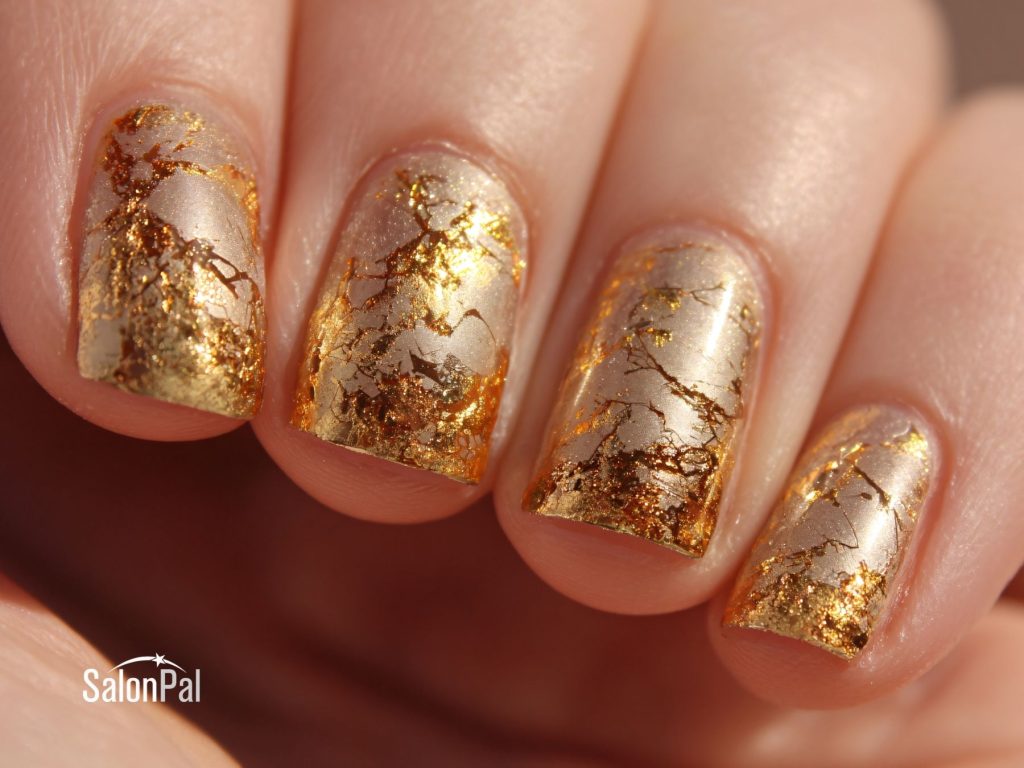
Experience teaches you things that textbooks never mention. You start to recognize nail conditions before clients say a word. Clients who wear press-ons occasionally usually have nails that look normal. Maybe a bit dry, nothing more.
Clients who wear them back to back for months look different. The nail surface loses its smoothness. Edges split more easily. Sometimes there is sensitivity when I lightly file, not pain exactly, but a clear warning.
In almost every case, the damage comes from rushed removal. Peeling a press-on off pulls layers of keratin with it. The nail remembers that long after the set is gone.
How Press Ons Compare to Gel and Acrylic in the Real World
Clients often ask which option is safest. The honest answer depends on use, not labels. Here is how these systems compare when viewed strictly through nail health, not trend appeal.
| Consideration | Impress Color Nails | Gel Nails | Acrylic Nails |
|---|---|---|---|
| UV or LED exposure | None | Required | None |
| Filing on natural nail | Minimal | Moderate | Heavy |
| Risk during removal | Medium if rushed | Medium to high | High |
| Best suited for | Short term wear | Two to three weeks | Long term structure |
| Margin for error | Moderate | Low | Very low |
Press-ons are forgiving at the start. Acrylics are the least forgiving if maintenance or removal is careless. Gel sits in the middle. None of them are automatically damaging. Poor habits are what cause long term issues.
The Real Risks of Wearing Press Ons Too Often
Frequent press-on use can dry out nails over time. Adhesives draw moisture from the nail plate, especially when there is no recovery period between sets. That dryness makes nails more prone to splitting.
Another risk is peeling caused by lifting from the cuticle area. This is one of the most common mistakes I see. Even small lifting removes layers of the nail, which weakens it week after week.
There is also the issue of trapped moisture. Press-ons seal the nail surface. If moisture sneaks in and stays there, it creates conditions where fungal problems can develop. This happens more often than people expect, especially for active clients.
How Often Is Too Often from a Professional Perspective
In a healthy routine, press-ons are worn for five to seven days. After that, nails need a short break. Two or three days is usually enough when paired with daily oil use.
Warning signs that tell me a client needs to stop include sensitivity during filing, cloudy white patches that do not grow out quickly, and nails that bend too easily. When I see those signs, the best advice is rest, not another set.
Nails recover well when given time. They do not recover when they are covered nonstop.
Small Habits That Protect Natural Nails Long Term
Good habits matter more than the product itself. Softening the adhesive before removal prevents surface damage. Warm water, oil, and patience go a long way.
Never pry from the cuticle area. That area is structurally weaker and more vulnerable to peeling. Cuticle oil should be used daily, not just when nails look dry.
Press-ons should be treated as a convenience tool, not a replacement for professional nail care. A trained nail tech can spot issues early that most people miss at home.
Frequently Asked Questions About Impress Color Nails, Press-On Nails, and Nail Health
Are Impress Color Nails safe for frequent use?
When used correctly, Impress Color Nails are generally considered a safer option compared to many long-term nail enhancements. The key issue is not the press-on nails themselves, but how often they are worn and how they are removed. Frequent use without rest periods can stress the natural nail plate, leading to dryness or thinning over time.
How often can you wear press-on nails without damaging natural nails?
In real salon practice, most natural nails tolerate press-on nails well when they are worn for about five to seven days at a time. Allowing a short recovery period of two to three days between sets helps maintain nail strength, flexibility, and moisture balance. Continuous wear without breaks increases the risk of nail surface damage.
Are press-on nails safer than gel nails or acrylic nails?
For short-term wear, press-on nails are often gentler on natural nails. They do not require UV or LED curing and involve minimal filing. Gel nails and acrylic nails can also be safe, but they rely heavily on proper application and careful removal. Press-ons offer a wider margin for error, especially for clients concerned about nail health.
Can frequent press-on nail use weaken the nail plate?
Yes, frequent press-on use can weaken the nail plate if nails are not given time to recover. Adhesive wear and repeated removal may reduce natural oils in the nail, making it more prone to peeling or splitting. This type of nail damage usually develops gradually, which is why it is often overlooked at first.
Can wearing press-on nails cause nail fungus or infection?
Press-on nails do not directly cause nail fungus. Problems arise when moisture becomes trapped between the press-on and the natural nail, or when press-ons are applied over already compromised nails. Keeping nails clean, dry, and healthy, along with taking regular breaks, significantly lowers the risk of fungal or bacterial issues.
What is the safest way to remove press-on nails?
The safest removal method focuses on protecting the nail surface. Softening the adhesive with warm water and cuticle oil allows the press-on nail to release gradually. Forcing or prying press-ons off, especially near the cuticle, is a common cause of nail peeling and thinning.
How long should nails rest between press-on nail sets?
A minimum rest period of two days helps restore moisture and flexibility to the nail plate. If nails feel sensitive, look cloudy, or show signs of peeling, a longer break is recommended. Consistent use of cuticle oil during this time supports nail recovery and overall nail health.
Can nail salons professionally recommend press-on nails?
Many nail salons view press-on nails as a complementary option rather than a replacement for professional services. When salons educate clients on proper wear, removal, and frequency, press-on nails can fit safely into a balanced nail care routine. Professional guidance helps clients avoid common mistakes.
Who should avoid frequent press-on nail use?
Clients with thin nails, peeling layers, nail sensitivity, or existing nail damage should limit press-on use. In these cases, focusing on nail strengthening treatments and professional nail care is usually more beneficial before returning to press-on nails.
Can press-on nails and professional manicures be used together?
Yes, many clients alternate between press-on nails and salon manicures successfully. Spacing out services, avoiding rushed removal, and maintaining proper nail care habits allow both options to coexist without compromising natural nail health.
These answers reflect what experienced nail professionals see daily. Long-term nail health depends on balance, proper technique, and giving natural nails time to recover, regardless of the product being used.
Final Thoughts from Long Experience
Impress Color Nails are not harmful by default, and they are not a miracle solution either. They work best when used occasionally and thoughtfully.
After decades in this industry, one thing is clear. Nails thrive on balance. Convenience should never replace care. When clients respect that balance, their nails stay strong, flexible, and healthy for years.
Your nails carry the history of every habit you have. Treat them well, and they show it.
