
I’ve been in enough nail salons to know that picking a color is the easy part. The harder moment comes when you’re sitting there with your hands under that bright lamp thinking about what’s going to happen to your nails underneath the polish. If you’ve ever peeled gel in the parking lot or chipped away at dip powder during a movie, you already understand why this topic matters. Both methods look great, but the long-term health of your nails depends on a lot more than the product label.
I’ve gone back and forth between dip and gel for years. Every time I thought I had it figured out, something happened that pushed me to rethink everything, usually during a removal session where I felt the heat of an electric file a little too closely. This perspective comes from that lived-in experience rather than textbook theory.
The Growing Obsession with Dip and Gel

Every salon I visit has the same split. Some clients swear by dip because it stays put no matter what. Others claim dip ruined their nails and only trust gel. I’ve been in both groups at different times. After one dip removal, my nails felt almost tender, like the top layers had been shaved down. Then I had a gel phase where the polish lifted early, and I peeled it off even though I knew better. That mistake alone probably did more damage than any salon could.
What I eventually realized is that most people don’t actually dislike the product. They dislike what happened to their nails when someone rushed or filed too aggressively. That is the real divide.
What Dip Nails Really Are When You Experience Them in Real Life
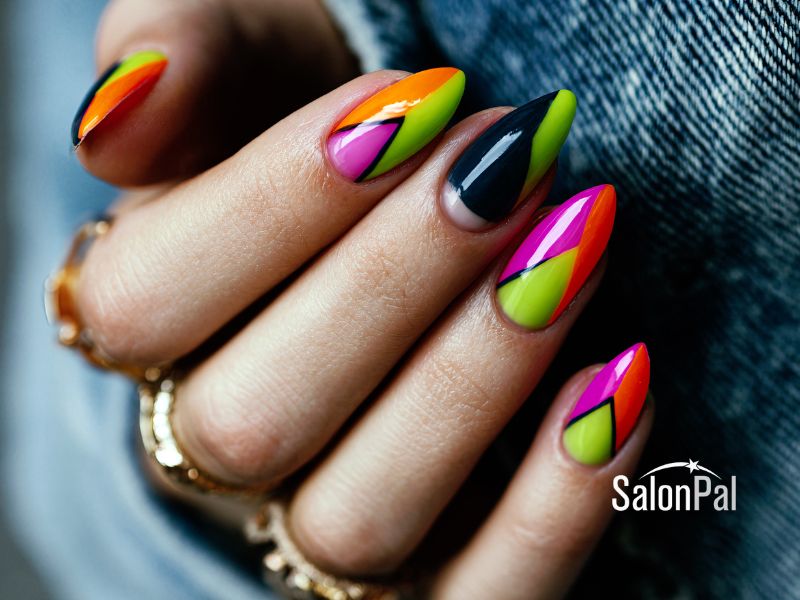
Dip powder looks simple on the surface. You dip the finger, brush, dip again, seal, repeat. The magic is in the prep. I’ve had technicians gently buff the surface just enough to help adhesion. I’ve also had techs file so hard that the vibration lingered in my fingertips for an hour.
Dip can feel like protective armor. It stays strong through hand washing, chores, workouts, everything. But that strength becomes a problem during removal. If a tech is impatient, the nail can take the hit instead of the powder. The difference between a good dip set and a bad one is often just five minutes of extra soaking and someone who refuses to force anything off.
Hygiene matters too. Good salons avoid dipping into shared jars and use small disposable cups instead. It’s a tiny detail that says a lot about their standards.
What Gel Nails Actually Feel Like When You Wear Them
Gel has that soft, flexible quality that feels more natural than dip. When applied well, the nail still bends slightly, which makes it comfortable for daily tasks. The curing light looks intimidating, but the more important thing is how thin the layers are applied.
Gel fails most often because of poor prep. If there’s even a whisper of oil left on the nail, gel lifts early. That’s when people peel it, and that’s when the damage happens. I’ve been guilty of that more times than I’d like to admit.
Something people forget is that gel isn’t just one thing. Soft gel, builder gel, classic gel, sculpting gel. They all behave differently. Some remove quickly. Some cling for dear life. A tech who understands these differences can save your nails a lot of stress.
The Practical Answer to Which One Damages Less

After years of testing both, here’s the most honest answer I can give. The product itself is rarely the cause of damage. The technique is.
Dip can be incredibly gentle when the prep is light and the removal slow. It can also be harsh if the filing is aggressive. Gel can be very forgiving when applied thin and soaked off fully. It becomes damaging only when it’s peeled or filed too deeply.
Dip is sturdier but less forgiving during removal. Gel is lighter but easier to mess up if you can’t resist peeling.
Most people who abandon one type are reacting to a bad experience created by a rushed or inexperienced technician, not the product.
Why Removal Is the Real Source of Nail Damage

Once I understood this, everything clicked. Almost every bit of damage I blamed on dip or gel came from removal. If you’ve felt the sting of an e-file pressing too close, you know what I mean.
Dip takes patience. Gel needs enough soaking time. When techs rush, the nail pays the price. When techs check gently, adjust, and take their time, the nail remains healthy.
The small things matter. Warm towels that help acetone work better. Light scraping only when the product is ready. Letting stubborn pieces soak longer instead of forcing them.
These little actions decide whether your nails feel strong afterward or tender and thin.
How to Keep Your Nails Healthy No Matter What You Choose

No product can save a dehydrated nail bed. The foundation matters more than the polish. I learned that hydration and cuticle oil make a stronger difference than anything else. The moment I started using cuticle oil consistently, my nails stopped splitting as much between sets.
Short breaks help too. Even a week between manicures can reset everything. And simple habits add up. Drinking water. Using gloves while cleaning. Filing gently instead of clipping at sharp angles.
Healthy nails handle both dip and gel better, and they recover faster when something goes wrong.
Why Choosing the Right Salon Matters More Than Choosing Dip or Gel

After trying dozens of salons, I can usually tell within a minute if my nails will survive the appointment. It’s the atmosphere. The cleanliness. How organized the tools are. Whether the technician checks your comfort or stays silent and rushes through.
A good technician can make dip feel weightless and make gel last three weeks without lifting. A careless one can ruin both in a single appointment.
This is why platforms like SalonPal have become so useful. Instead of guessing, you can see real photos, real reviews, actual service menus, and ratings from people who went before you. It helps filter out the salons that cut corners and highlight the ones that treat nails with care.
Finding the right place matters more than picking the right formula.
FAQ – Dip Nails vs Gel: Which One Damages Less
Do dip nails cause more damage than gel manicures?
Not automatically. Dip powder is stronger, so it can be tougher to remove, which is where damage often happens. Gel is lighter, but people tend to peel it when it lifts, and that can strip the surface of the nail. The real difference comes from how carefully a technician preps and removes each type.
Which lasts longer, dip or gel?
Dip usually lasts longer because the layers bond more firmly to the nail, especially if you wash your hands often or type all day. A well-done gel manicure can still hold up for two to three weeks, but it depends heavily on prep and how oily your nails are. Longevity varies more by technique than product.
Why do my nails feel thin after removing dip or gel?
That thin feeling usually comes from over-filing during removal, not the coating itself. If the product isn’t fully soaked before scraping, the top layers of your nail can get shaved off. A gentle removal with enough soaking time helps prevent that issue.
Is UV light from gel curing dangerous for my hands?
Most people don’t notice any problems, and the exposure time is short. If you’re concerned, a simple fix is applying sunscreen or wearing fingerless gloves during the curing step. Many nail techs even recommend this as a routine habit.
Which option is better for weak or brittle nails?
Gel is usually more forgiving for naturally thin nails because it flexes more. Dip can feel protective, but only if the technician avoids heavy filing. When your nails are already fragile, gentle prep and a thin application make a much bigger difference than choosing dip or gel.
How can I avoid nail damage no matter which method I choose?
Give your nails enough acetone soaking time and avoid peeling the product off, even if it’s tempting. Use cuticle oil every day, especially before bed, because hydrated nails handle both dip and gel far better. Short breaks every few months also help reset your nail strength.
Does switching between dip and gel weaken the nails?
Not by itself. Damage usually comes from rushed removal, aggressive buffing, or peeling. Switching is perfectly fine if your technician handles removal patiently and you take care of your nails between sets.
How do I find a salon that won’t damage my nails?
Look for salons that keep clean tools, show consistent results in their photos, and have reviews that mention gentle removal or careful prep. Platforms like SalonPal make it easier because you can compare technicians, browse real images, and check ratings before booking. A skilled, patient technician matters more than choosing dip or gel.
